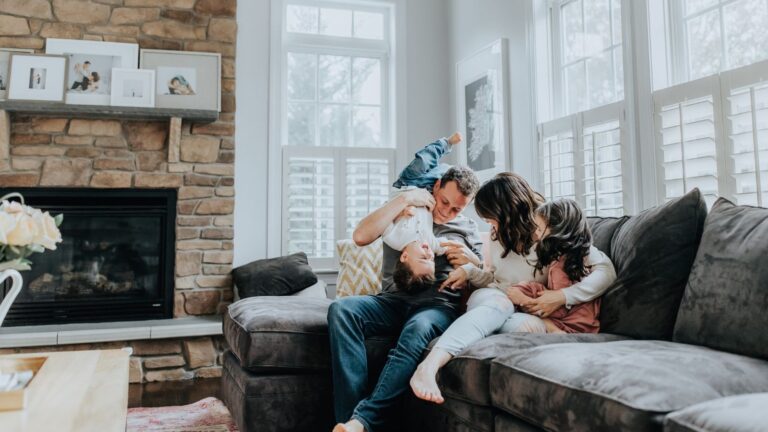
Navigating the world of parenting can feel like a high-stakes game of chess, where every move counts and the pieces are constantly changing. Parents often find themselves torn between being the fun-loving friend and the strict referee. With so many discipline styles out there, it’s easy to feel like you’re juggling flaming torches while riding a unicycle.
Overview of Parenting Discipline Styles
Parenting discipline styles vary significantly and each has distinct characteristics. Authoritative parents combine warmth and structure, promoting independence while maintaining clear expectations. This approach often leads to positive outcomes in children’s behavior and self-esteem.
Permissive parents prioritize warmth and responsiveness but lack consistent discipline. While this style fosters a close bond, it might result in children’s struggles with boundaries and self-regulation.
In contrast, authoritarian parents enforce strict rules without flexibility or emotional involvement. This style can lead to obedience but often comes at the cost of children’s social skills and self-esteem.
Uninvolved parents display minimal interaction or supervision. This detached approach can adversely affect children’s emotional and cognitive development.
Research shows that children from authoritative homes tend to perform better academically and socially. Data from studies indicates that a balance between support and structure yields optimal results for children’s well-being.
Choosing a discipline style often depends on various factors, including cultural background and personal experiences. Parents might adapt their methods based on the unique needs of their children, understanding that flexibility can enhance outcomes.
Recognizing the strengths and weaknesses of each discipline style helps parents make informed decisions. Open communication and consistency across chosen styles can significantly influence children’s development.
Authoritative Parenting Style

Authoritative parenting combines warmth with structure, creating an environment conducive to children’s growth. This style fosters mutual respect and encourages open communication.
Characteristics of Authoritative Parenting
Authoritative parents set clear expectations while remaining responsive to their children’s needs. They maintain consistent rules, establishing boundaries that provide a sense of safety. Emotional support often accompanies this guidance, allowing children to express their feelings. Flexibility characterizes authoritative parenting, enabling parents to adapt their strategies as children grow. Encouragement of independence also plays a crucial role, as parents guide rather than control their children’s choices.
Effects on Child Development
Children raised in authoritative homes tend to exhibit strong social skills and high levels of self-esteem. Research shows these children often perform better academically compared to those from other styles. Positive relationships with peers frequently develop, fostering effective communication. Additionally, emotional regulation proves stronger among children of authoritative parents, leading to less aggressive behaviors. Developing a sense of responsibility and accountability occurs naturally, as they learn from their parents’ modeling of appropriate behaviors.
Authoritarian Parenting Style
Authoritarian parenting emphasizes control and obedience. This style prioritizes strict rules and high expectations with little room for flexibility.
Traits of Authoritarian Parenting
The main traits include rigid guidelines and a focus on discipline. Parents enforce rules without offering much warmth or emotional support. Communication tends to be one-sided, as parents often dictate behavior rather than engage in discussions. Consequences for disobedience are typically severe, leaving little room for negotiation. Authoritarian parents rarely provide explanations for their rules. Instead, they expect children to comply without questioning authority. This parenting style lacks encouragement and affection, fostering an environment of fear rather than security.
Impact on Children
Children raised under authoritarian parenting often struggle with social interactions. They may exhibit lower self-esteem due to the constant pressure to conform without receiving positive reinforcement. Fear of punishment can hinder their ability to express emotions and opinions. Research shows that these children might develop aggressive behaviors or become overly compliant. They may also face challenges in academic settings, as the lack of encouragement can diminish intrinsic motivation. Overall, children from authoritarian homes frequently face difficulties that affect their emotional and social development.
Permissive Parenting Style
Permissive parenting focuses on nurturing relationships without strict rules. This approach emphasizes freedom and autonomy for children, leading to close emotional connections.
Features of Permissive Parenting
Permissive parents are often warm, accepting, and nontraditional. They prioritize open communication and encourage self-expression, allowing children to feel comfortable sharing their thoughts. Setting few boundaries, they rarely enforce discipline or consequences. Decisions often rely on children’s preferences, leading to a relaxed home environment. Many permissive parents view their role as more of a friend than an authority figure. These qualities foster strong, loving relationships but can create challenges in structure and limits.
Consequences for Child Behavior
Children from permissive homes may display various behavioral outcomes. A lack of established rules can result in difficulties with self-regulation and discipline. Many of these children struggle with authority figures and may face problems in school due to poor organizational skills. While they often exhibit creativity and high self-esteem, they may also become dependent on external validation for feelings of worth. In some cases, social interactions can be challenging; children may develop an inability to handle frustration or delays. These potential issues highlight the need for balance in parenting styles.
Uninvolved Parenting Style
Uninvolved parenting entails minimal engagement with children, characterized by a lack of emotional support and guidance. Parents often provide basic needs but show little interest in their child’s emotional or social development.
Definition and Traits
Uninvolved parents display several distinct traits. They typically prioritize their own needs over their children’s, leading to a passive parenting approach. Communication tends to be limited, with little interaction or emotional connection. Rules and expectations are often absent, creating an unstructured environment. This parenting style may stem from various factors, including stress or lack of knowledge about effective parenting practices. Such parents may struggle with consistency in their approach, which can leave children feeling neglected or undervalued.
Long-Term Effects on Children
Children raised by uninvolved parents face numerous long-term challenges. Research indicates these children may experience difficulties in emotional regulation and social skills. Academic performance often declines due to a lack of guidance and support. These individuals might struggle with self-esteem issues, feeling unworthy of attention or affection. Furthermore, relationships might suffer, as these children often replicate unhealthy dynamics learned from their parents. Consequently, many may develop behavioral problems, leading to substance abuse or difficulty in forming lasting friendships.
Navigating the landscape of parenting discipline styles can feel overwhelming. Each approach offers unique strengths and challenges that directly influence a child’s development. Understanding these styles empowers parents to make informed choices that align with their values and their children’s needs.
By fostering open communication and consistency, parents can create an environment where children thrive emotionally and socially. Emphasizing balance in discipline not only nurtures a child’s independence but also enhances their ability to navigate the complexities of life. Ultimately, the goal is to cultivate a supportive atmosphere that encourages growth and resilience.