In a world where tantrums can rival the drama of a soap opera, peaceful parenting emerges as a superhero in disguise. It’s not about turning into a zen master overnight or chanting mantras in the middle of a grocery store aisle. Instead, it’s a practical approach that transforms chaos into calm, one deep breath at a time.
Imagine navigating the stormy seas of parenthood with the grace of a seasoned sailor. Peaceful parenting equips caregivers with tools to foster emotional intelligence, build strong relationships, and create a harmonious home environment. It’s not just about keeping the peace; it’s about thriving together as a family. So grab your favorite mug, take a seat, and let’s dive into the art of raising children without losing your sanity (or your sense of humor).
Understanding Peaceful Parenting
Peaceful parenting focuses on fostering emotional intelligence and nurturing relationships within the family. This approach promotes a balanced environment, allowing children and caregivers to thrive together.
Definition and Philosophy
Peaceful parenting emphasizes compassion and respect in interactions. This philosophy encourages parents to guide rather than control their child’s behavior. By prioritizing empathy, caregivers aim to understand their child’s emotions and perspectives. This method fosters cooperation and builds trust, creating a supportive atmosphere for healthy development.
Core Principles of Peaceful Parenting
Effective communication stands at the foundation of peaceful parenting. Parents practice active listening, ensuring children’s voices feel heard. Consistency in discipline with clear boundaries also shapes positive behavior. Additionally, caregivers model emotional regulation, demonstrating healthy coping mechanisms. Lastly, nurturing self-discipline in children empowers them to make thoughtful choices independently.
The Benefits of Peaceful Parenting
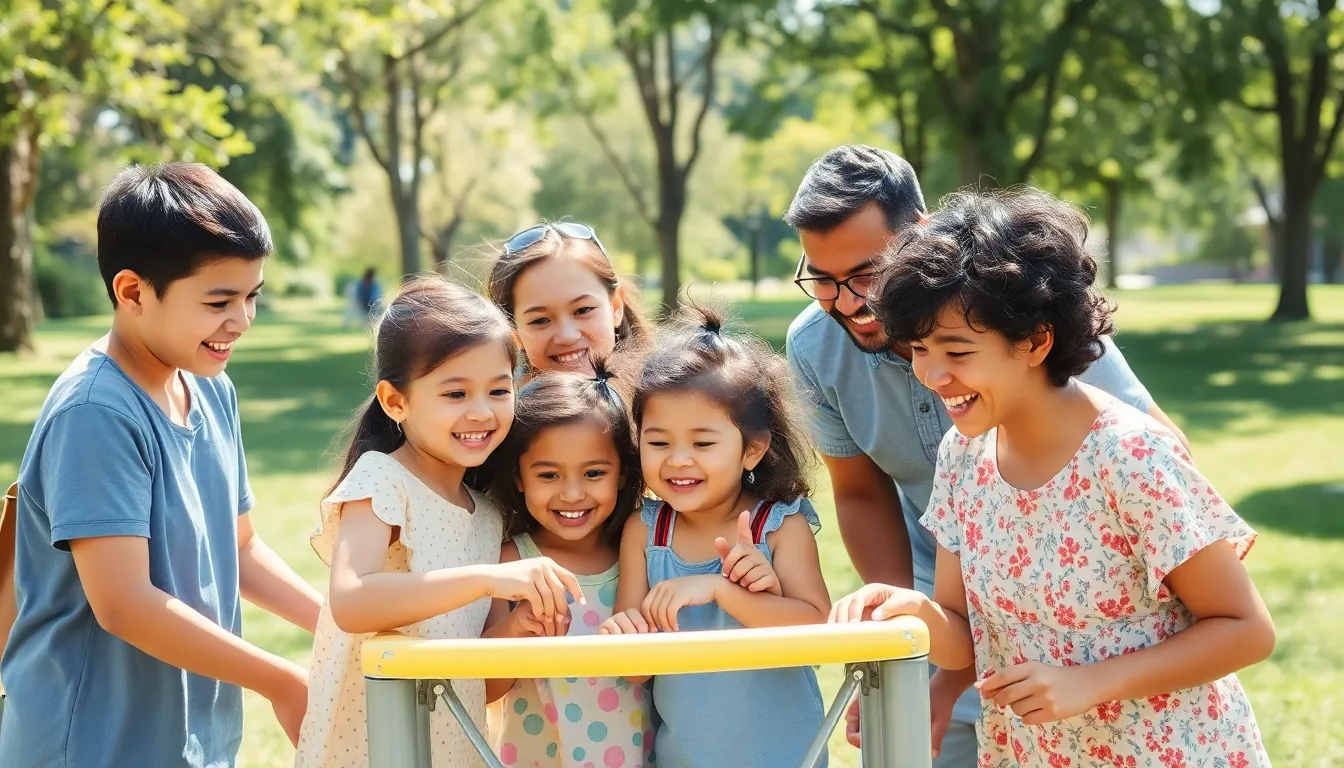
Peaceful parenting promotes various advantages that significantly enhance family dynamics and children’s development.
Emotional Development in Children
Emotional intelligence flourishes in an environment rooted in peaceful parenting. Children learn to recognize and articulate their feelings, fostering self-awareness. This approach nurtures empathy, helping kids understand the emotions of others. Through modeling emotional regulation, parents guide children in managing their reactions. Children exposed to this nurturing environment often display greater resilience and adaptability. Research shows that children with high emotional intelligence perform better academically and socially. These skills become essential as they navigate personal relationships throughout life.
Strengthening Parent-Child Relationships
Parent-child relationships grow stronger through peaceful parenting practices. Open communication forms the foundation of mutual trust. Parents who actively listen validate their children’s feelings, reinforcing a sense of value. Such validation encourages children to express themselves without fear of judgment. Predictability in boundaries fosters security, allowing children to feel safe. Engaging in cooperative activities further solidifies these bonds. Evidence illustrates that children who share positive experiences with their parents develop higher self-esteem and a deeper connection. Fostering this connection creates a harmonious atmosphere conducive to growth.
Practical Strategies for Peaceful Parenting
Effective strategies foster a peaceful parenting environment. Implementing techniques enhances communication and resolves conflicts productively.
Effective Communication Techniques
Prioritizing active listening creates a foundation for connection. Engaging softly with children promotes openness. Using clear and age-appropriate language helps convey messages more effectively. Asking open-ended questions nurtures dialogue, allowing children to express feelings and ideas. Reflecting back what a child shares validates their emotions. Avoiding interruptions encourages them to articulate thoughts fully. These techniques lead to stronger relationships, enhancing emotional intelligence and trust within families.
Conflict Resolution Skills
Implementing conflict resolution skills transforms disputes into teachable moments. Setting a calm tone helps de-escalate tensions. Encouraging children to express feelings fosters a safe environment for discussions. Guiding them in brainstorming solutions empowers them to take responsibility. Practicing compromise strengthens collaborative efforts. Demonstrating patience while resolving disagreements teaches valuable negotiation skills. Such strategies enhance problem-solving abilities and foster resilience in children, ultimately contributing to a peaceful family atmosphere.
Challenges in Peaceful Parenting
Peaceful parenting presents unique challenges that can complicate the journey. Many misconceptions about this approach often lead to confusion.
Common Misconceptions
One common myth suggests peaceful parenting means permissiveness. It simply reflects nurturing guidance rather than a lack of boundaries. Caregivers might assume that prioritizing empathy equates to avoiding discipline, but it’s possible to maintain firm guidelines with kindness. Additionally, some believe peaceful parenting eliminates all conflict. In reality, it focuses on healthy conflict resolution. The idea that peaceful parenting guarantees a calm household overlooks the reality that emotions can fluctuate. Recognizing these misconceptions helps parents align their expectations with the core principles of the approach.
Overcoming Obstacles
Obstacles frequently arise in peaceful parenting. Emotionally charged situations tend to trigger reactions, challenging a caregiver’s commitment to this method. Strategies exist to navigate these challenges effectively. Committing to self-care can enhance a parent’s emotional regulation, allowing for calmer responses to stress. Building a support network offers additional resources for guidance and understanding. Demonstrating patience fosters resilience in children as they learn alongside their caregivers. Prioritizing clear communication serves as a foundation for resolving conflicts constructively. Consistently applying these strategies nurtures a positive environment for growth.
Embracing peaceful parenting can transform the family dynamic into one of understanding and support. By prioritizing emotional intelligence and compassionate communication, caregivers can foster a nurturing environment where both children and parents thrive. This approach not only strengthens relationships but also equips children with essential life skills.
Navigating the challenges of parenting becomes more manageable through consistent application of peaceful techniques. With patience and commitment, families can cultivate a harmonious atmosphere that encourages growth and resilience. Ultimately, peaceful parenting is about guiding children with love and respect, ensuring they develop into empathetic and capable individuals.