In a world where parenting styles range from helicoptering to free-range, uninvolved parenting often gets a bad rap. Picture this: a parent who’s more interested in binge-watching the latest series than keeping tabs on their kids. While it might sound like a recipe for chaos, uninvolved parenting can sometimes lead to unexpected outcomes.
This article dives into the nuances of uninvolved parenting styles—exploring their characteristics, effects, and the surprising ways they shape children’s independence. It’s not all doom and gloom; sometimes a little distance can foster self-reliance. So grab your popcorn and get ready to uncover the secrets behind this often misunderstood approach to parenting.
Understanding Uninvolved Parenting Styles
Uninvolved parenting often leads to misconceptions about its impact on child development. This parenting style, characterized by minimal involvement, can shape children’s independence and emotional growth in unexpected ways.
Definition of Uninvolved Parenting
Uninvolved parenting refers to a style where parents exhibit low responsiveness and low demands. Parents often prioritize their own needs over their children’s. This approach lacks emotional engagement, resulting in children feeling neglected. A significant aspect involves minimal guidance or supervision, leaving children to navigate challenges independently. Research indicates that uninvolved parenting may originate from various factors, including parental stress or mental health issues.
Characteristics of Uninvolved Parents
Characteristics of uninvolved parents include emotional detachment and a lack of participation in their children’s lives. Parents maintain minimal communication and rarely engage in activities with their children. Expectations for behavior often remain unclear, leading to confusion for the child. Time spent together typically decreases, with parents focusing on their personal interests, careers, or relationships instead. Research shows that these parents often provide basic needs like food and shelter while neglecting emotional support and guidance.
The Impact of Uninvolved Parenting
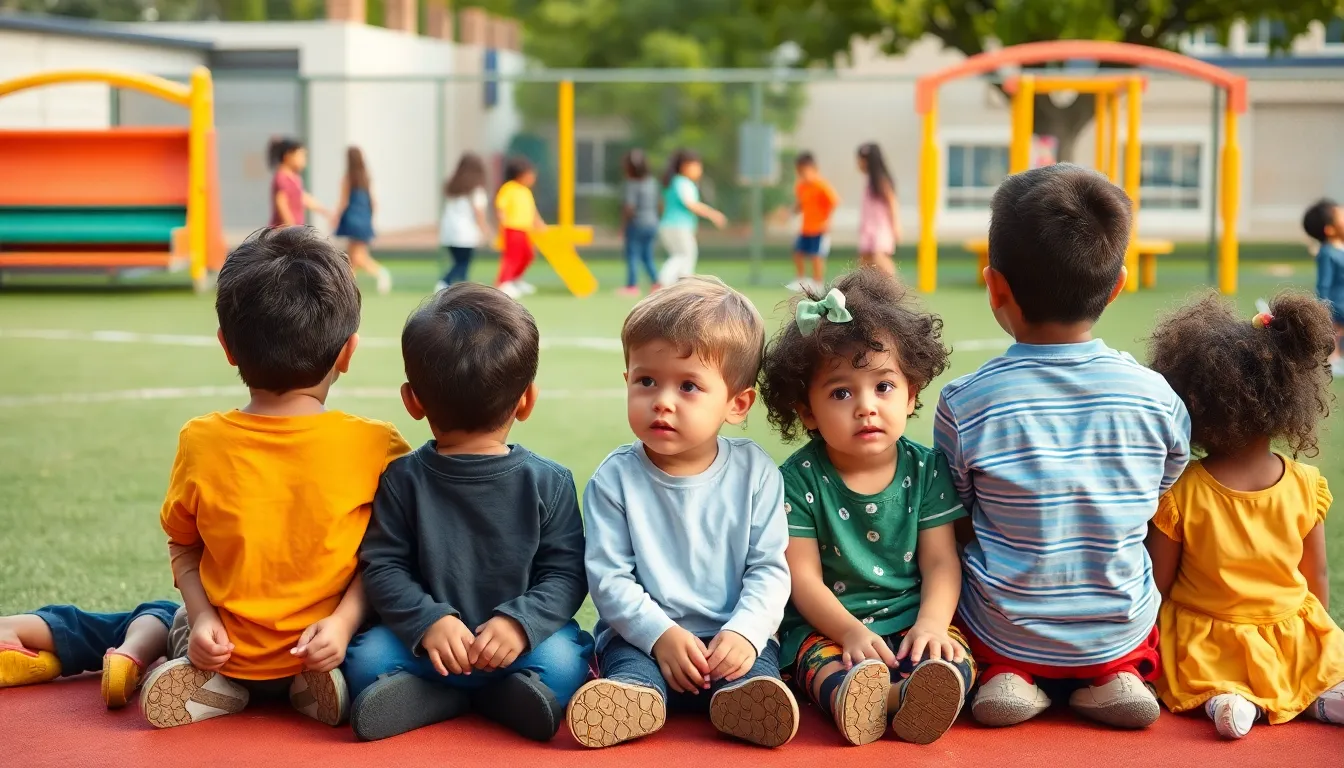
Uninvolved parenting significantly shapes children’s emotional and social development. Children often experience a lack of emotional support, leading to difficulties in establishing relationships and regulating emotions.
Effects on Child Development
Uninvolved parents contribute to a disconnection in emotional intelligence. They may display less affection, resulting in children feeling insecure and unsure of their abilities. Children raised in such environments often struggle with self-esteem, exhibiting behavioral issues and poor academic performance. A lack of guidance can hinder their decision-making skills, causing them to navigate complex situations alone. Research indicates that these children are more likely to engage in risky behaviors during adolescence. Independence and self-reliance can develop, but often accompanied by underlying emotional distress.
Long-Term Consequences
Long-term effects of uninvolved parenting can manifest in various adult behaviors. Adults raised in these environments may demonstrate higher levels of anxiety and depression. They frequently report difficulties in forming stable relationships, reflecting their childhood experiences. Career aspirations may also suffer due to low self-confidence instilled during formative years. A pattern of avoidance in personal and professional settings can develop. Additionally, research highlights the potential cycle of uninvolved parenting continuing into the next generation. Adults may prioritize their personal interests over family dynamics, perpetuating emotional detachment.
Comparisons with Other Parenting Styles
Understanding uninvolved parenting requires comparing it to other styles, particularly authoritative and permissive parenting. Authoritative parenting emphasizes high responsiveness and high demands. Parents actively engage with their children, providing emotional support and guidance. In contrast, uninvolved parents exhibit emotional detachment and low demands, often neglecting their children’s emotional needs. This stark difference results in uninvolved children lacking the benefits of support that authoritative parenting offers.
Permissive parenting shares some characteristics with uninvolved parenting, yet distinct differences exist. Permissive parents prioritize warmth and nurturing but maintain minimal boundaries and expectations. Children in permissive households often enjoy freedom, yet they may struggle with self-discipline. Uninvolved parenting, however, lacks emotional engagement, leading to potential emotional difficulties. Children raised in permissive homes generally have better emotional support compared to those in uninvolved settings, highlighting the crucial importance of parental involvement.
Strategies for Improvement
Identifying effective strategies for improving uninvolved parenting can foster emotional support and connection. Parents can take specific steps to enhance their engagement with children.
Recognizing Uninvolved Behavior
Observing signs of uninvolved behavior constitutes the first step toward improvement. Emotional detachment is a key indicator, characterized by a lack of warmth and responsiveness. Minimal communication can also signal disengagement; conversations may seldom happen, leaving children feeling isolated. Additionally, a noticeable absence in time spent together often highlights prioritization of personal interests over family needs. Understanding these behaviors enables parents to reflect on their parenting style and identify areas needing attention.
Steps Towards Engaging More Actively
Engaging more actively with children involves simple, intentional steps. Establishing regular family routines enhances interactions, ensuring quality time spent together. Initiating open conversations encourages children to express feelings and thoughts, fostering a strong emotional connection. Setting specific goals for involvement, like attending school events or dedicating time for shared activities, reinforces commitment. Seeking support from parenting groups or resources provides valuable insights into effective strategies. Daily moments of meaningful engagement contribute significantly to building a nurturing environment, ultimately benefiting both parents and children.
Uninvolved parenting can have profound effects on a child’s emotional and social development. While it may foster a sense of independence, the lack of emotional support often leads to significant challenges. Children raised in uninvolved environments may struggle with relationships and self-esteem, carrying these issues into adulthood.
By recognizing the characteristics of uninvolved parenting, parents can take steps to improve their engagement. Developing stronger connections through communication and shared experiences can create a more nurturing environment. Ultimately, fostering emotional support is crucial for healthy child development, ensuring that children grow into well-adjusted adults.