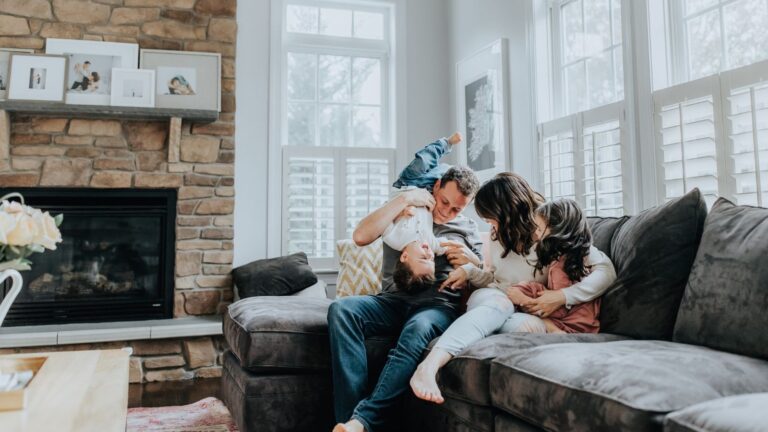
In a world where parenting styles are evolving faster than a toddler can throw a tantrum, it’s time to take a closer look at what’s trending in the parenting arena. Gone are the days of rigid rules and strict schedules. Today’s parents are embracing creativity, flexibility, and a sprinkle of humor as they navigate the delightful chaos of raising kids.
From the mindful parent who meditates while their little one builds a fort to the tech-savvy mom who uses apps to track nap times, new parenting styles are all about blending tradition with innovation. With each approach offering unique insights, parents can now choose a style that resonates with their values and family dynamics. So buckle up for a rollercoaster ride through the latest trends in parenting—because who said raising kids couldn’t be a little fun?
Overview Of New Parenting Styles
Contemporary parenting styles reflect a blend of tradition and innovation. Parents now prioritize flexibility over rigid schedules. They embrace creative methods, fostering a nurturing environment conducive to children’s growth. Mindfulness practices integrate seamlessly into daily routines, helping families manage stress and enhance emotional well-being.
Technology plays a pivotal role in modern parenting. Many use educational apps and online resources to support learning, ensuring children engage with interactive tools. The focus shifts from mere discipline to encouraging curiosity and self-expression. Moreover, some parents adopt communal parenting approaches, sharing childcare responsibilities within their communities, enhancing social connections.
Cultural influences also shape these new parenting styles. Diverse backgrounds lead to varied techniques, allowing families to tailor their approaches to fit their values. Open communication emerges as a central theme, where parents encourage dialogue, listening to children’s thoughts and feelings.
These evolving styles reflect a responsive approach to parenting. Families adapt to societal changes, addressing unique challenges and opportunities. By embracing these trends, modern parents enhance their relationships with their children, fostering a supportive atmosphere that values both individuality and collaboration.
Types Of New Parenting Styles
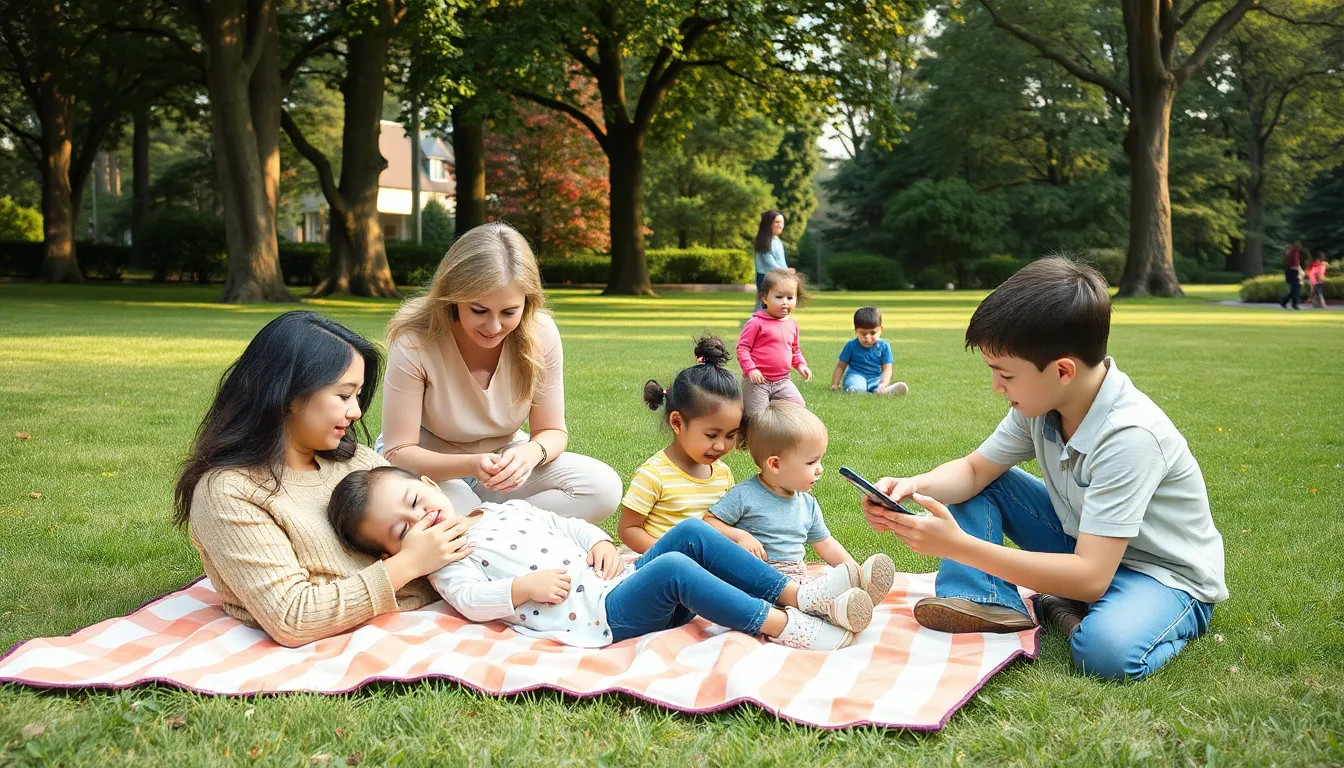
Modern parenting styles are diverse and focus on enhancing children’s overall development. Each style reflects unique philosophies that cater to various family dynamics and values.
Attachment Parenting
Attachment parenting emphasizes nurturing bonds between parents and children. Parents respond sensitively to their child’s needs, fostering secure attachments. Strategies in this approach include co-sleeping, babywearing, and extended breastfeeding. The philosophy promotes emotional security, encouraging children to explore their surroundings confidently. Research shows that children raised in this environment often demonstrate strong social-emotional skills and resilience.
Free-Range Parenting
Free-range parenting encourages children to develop independence through self-directed exploration. Parents allow their children to engage in outdoor play and everyday activities without constant supervision. This approach fosters decision-making abilities, instills confidence, and develops problem-solving skills. Advocates argue that children learn essential life skills when given freedom within safe boundaries. Studies indicate that this parenting style can lead to positive mental health outcomes for children, promoting a balance of safety and autonomy.
Authoritative Parenting
Authoritative parenting combines structure with warmth, balancing rules and emotional support. Parents set clear expectations while remaining responsive to their child’s needs. Communication plays a crucial role in this style, encouraging open dialogues between parent and child. Research indicates that children raised in authoritative households generally exhibit better academic performance and social skills. This approach cultivates responsibility and self-discipline, equipping children with essential tools for navigating challenges.
Benefits Of New Parenting Styles
New parenting styles offer numerous advantages that contribute to children’s growth and well-being. These methods prioritize emotional development and foster independence and confidence in young ones.
Emotional Development
Emotional development flourishes in environments that embrace new parenting techniques. Parents practicing mindfulness create spaces where children feel secure and understood. Increased emotional intelligence results from responsive caregiving, allowing children to express their feelings comfortably. Children exposed to open communication learn empathy, which enhances their relationships with peers. Parents who actively engage with their children’s emotional needs nurture resilience, promoting mental well-being. It’s evident that fostering emotional connections shapes a child’s ability to navigate social situations effectively.
Independence And Confidence
Independence and confidence thrive in parenting styles that encourage exploration. Free-range parenting, for instance, allows children to take age-appropriate risks. Children in these settings develop problem-solving skills, enhancing their ability to face challenges. Self-directed exploration fosters a strong sense of self, empowering kids to trust their instincts. Parents who support autonomy guide their children in making decisions, creating ownership of their experiences. As these children learn from both successes and setbacks, their self-esteem grows, setting the foundation for future achievements.
Challenges In Adopting New Parenting Styles
Adopting new parenting styles presents unique challenges that require consideration and adaptation.
Social Pressures
Social norms exert significant influence over parenting choices. Many parents face expectations from family, friends, and society that may conflict with their preferred style. Open communication about these pressures becomes essential. Parents may experience feelings of guilt when their choices deviate from traditional methods. Peer comparisons can cause anxiety, as parents worry about how their approaches reflect on their capabilities. Supportive communities that embrace diverse parenting styles can alleviate some of this pressure. Resources such as parenting groups and online forums offer safe spaces for sharing experiences. Seeking advice from other parents already navigating similar challenges can build confidence and reinforce commitment to chosen styles.
Balancing Traditions
Balancing new parenting styles with traditional values presents its own set of challenges. Some parents may struggle to find a blend that reflects their heritage while incorporating modern approaches. Families often hold deep-rooted beliefs that shape expectations around discipline and nurturing. Transitioning from strict methods to more flexible styles takes time and patience. Integrating new principles can lead to mixed feelings among families, particularly elder generations who may not understand the shift. Engaging in discussions about the reasoning behind these choices can bridge generational gaps. Finding common ground fosters acceptance and strengthens connections, enabling families to adopt a blended approach successfully.
Embracing new parenting styles allows families to adapt to the ever-changing landscape of child-rearing. By prioritizing flexibility and open communication, parents can create nurturing environments that support their children’s emotional and social development. Integrating mindfulness and technology into daily routines not only enhances learning but also fosters independence and resilience.
As parents navigate these innovative approaches, they can find strength in community support and shared experiences. The journey of parenting is filled with challenges and rewards, and embracing these modern styles can lead to stronger family bonds and confident, well-rounded children. Ultimately, it’s about finding what works best for each family while celebrating the unique adventure of raising the next generation.